FAQs
Frequently Asked Questions
Can’t see your question listed? Contact our team here and we’ll get back to you as soon as we can.
What is Tidy-Hi and Litter Buddy?
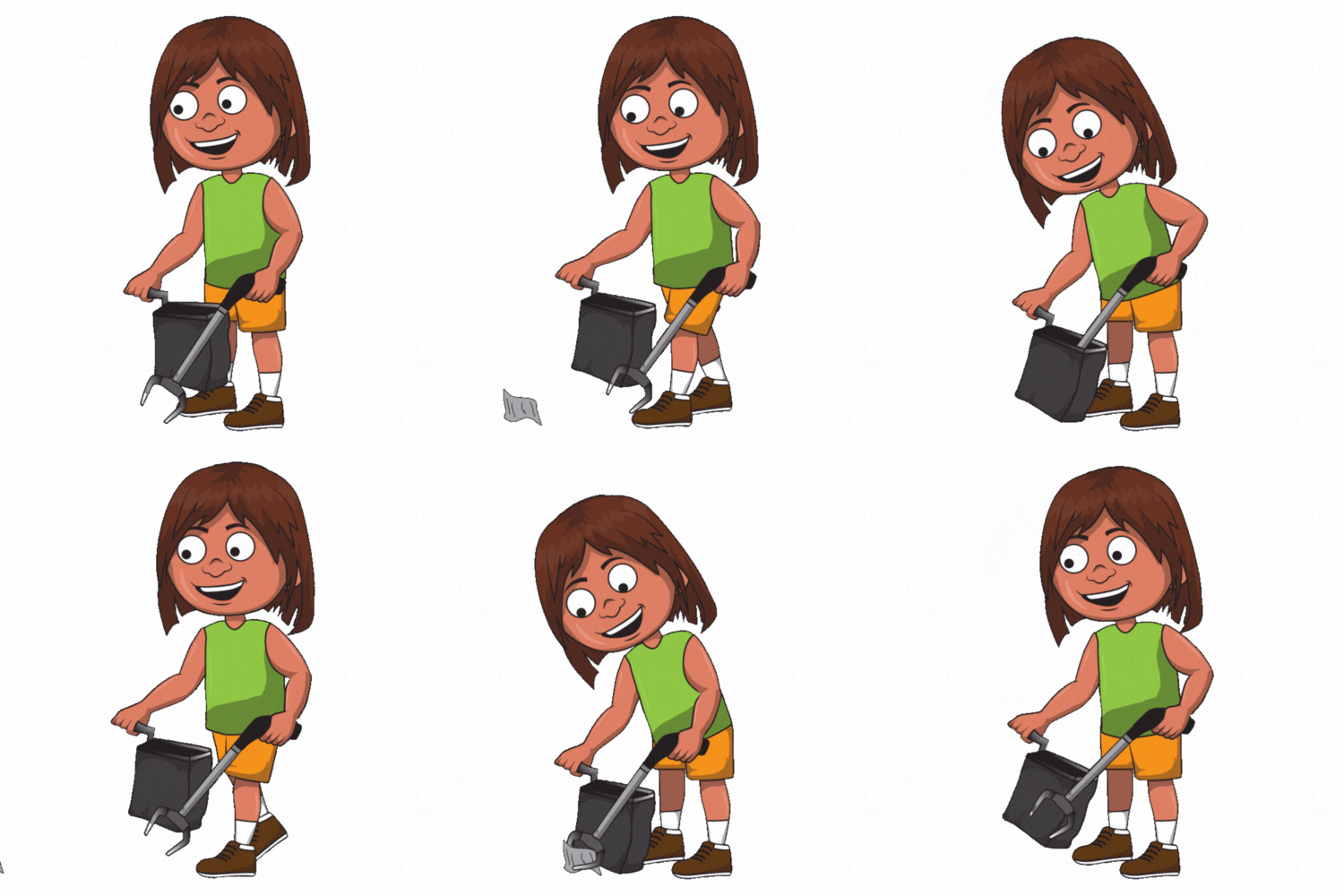
Tidy-Hi and Litter Buddy are designed to work together as one program. Tidy-Hi focuses on noticing, waving, and saying thank you to people who care for our shared spaces. Litter Buddy builds on this by encouraging children, with adult support, to take small, positive actions such as picking up litter. Together, they help children feel confident, included, and proud of caring for their community.
Is this a digital program or a real-world program?
It is both. The digital platform provides missions, certificates, songs, and guidance for adults. The actions themselves happen in the real world — waving, thanking, noticing helpers, and participating in simple community care activities. The digital elements support and celebrate real-world behaviour rather than replacing it.
Who is this program for?
The program is designed for children and the adults who support them — parents, carers, educators, and family day care providers. It can be used at home, in early learning settings, and in the wider community. Families are encouraged to participate in ways that feel right for them.
Why does the program start with waving and saying thank you?
Tidy-Hi creates inclusion and visibility. Not all families are comfortable with picking up litter, and that’s okay. Gratitude and recognition are universal actions that allow more children to participate. These early actions also help children feel seen and encouraged, laying the groundwork for confidence and connection before moving into other activities.
Why does the program focus on positivity, play, and celebration rather than fear or negative messaging about litter?
Tidy-Hi and Litter Buddy are designed for young children, where habits, confidence, and identity are still forming. Fear-based or problem-heavy messaging can overwhelm children at this stage. By starting with play, music, gratitude, and simple actions, children associate caring for their community with joy and connection — creating positive memories that support long-term behaviour.
Will children eventually learn about the impacts of litter on the environment?
Yes. As children grow, their capacity to understand environmental impacts and responsibility increases. The program is designed to grow with them, beginning with kindness and visible care, and allowing deeper environmental learning to follow when children are developmentally ready.
Who supervises children during activities?
All activities are designed to be completed with an adult present. Parents, carers, educators, or approved keepers guide participation and make decisions based on the child’s age, ability, and environment. The program supports adults rather than replacing their judgement.
Is the program safe?
Safety is shared. The program provides free safety posters and guides for families and educators, but adults remain responsible for supervision and decision-making. We trust adults to know their children and adapt activities appropriately. The program is designed to support, not override, that responsibility.
Is participation compulsory or expected?
No. Participation is always optional and flexible. Families are encouraged to take part in ways that suit them. Some may focus on gratitude and recognition, others on litter-picking activities, and many will move between both over time.
Does it cost anything to participate?
The digital program is free for families. This is intentional. We believe that cost should not be a barrier to children participating in positive community behaviour. The program is supported through Friends of Litter Buddy, mission sponsors, and optional physical products.
Why is keeping the program free important?
Creating long-term behaviour change requires broad participation. When programs introduce cost at the family level, participation narrows. Keeping digital access free ensures children from all backgrounds can take part, regardless of financial circumstances.
What is this program not?
This program is not about blame, enforcement, or perfection. It is not about measuring how much litter is collected or expecting children to “fix” environmental problems. It focuses on building confidence, kindness, and visible care through small, positive actions shared between children, families, and communities.